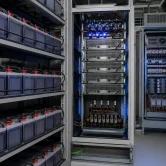

You plugged in the UPS, it beeped once, and you forgot about it. That is honestly what most people do. Then, six months into Qatar’s summer, a power flicker hits and the unit just dies quietly. No warning. No runtime. Nothing. Here is the part the product brochure skips over: a UPS battery rated for five years in Europe can fail in under two years sitting in a Doha server room. The climate is not just a minor factor. It is the main one.
This article breaks down exactly what happens, what timelines are realistic, and what actually keeps a battery alive longer in this part of the world.
What Qatar’s Heat Actually Does to a UPS Battery
There is a principle called the Arrhenius rate rule, and power engineers refer to it constantly. Simplified: every 10 degrees Celsius above a battery’s rated operating temperature cuts its usable lifespan roughly in half. Most UPS batteries are designed around a 25-degree Celsius baseline. Qatar in July is not 25 degrees.
Outdoor temps regularly sit at 42 to 48 degrees. Inside facilities, even with air conditioning running, the ambient temperature near active equipment often reads 5 to 8 degrees above what the thermostat shows. Run that math, and a battery backup system that should last four years is already operating at half-life speed from the day it is installed.
The chemistry behind VRLA batteries, which covers both AGM and gel types found in most commercial UPS units, is particularly sensitive here. The electrolyte loses moisture faster. Internal resistance climbs gradually. Plate corrosion accelerates. None of this is visible from the outside. By the time the self-test alarm starts complaining, the battery has already lost a significant chunk of its capacity.
Realistic Lifespan Numbers for Qatar Deployments
Forget the spec sheet numbers. Here is what experienced engineers working in Qatar actually see in the field.
VRLA (AGM and Gel) Batteries
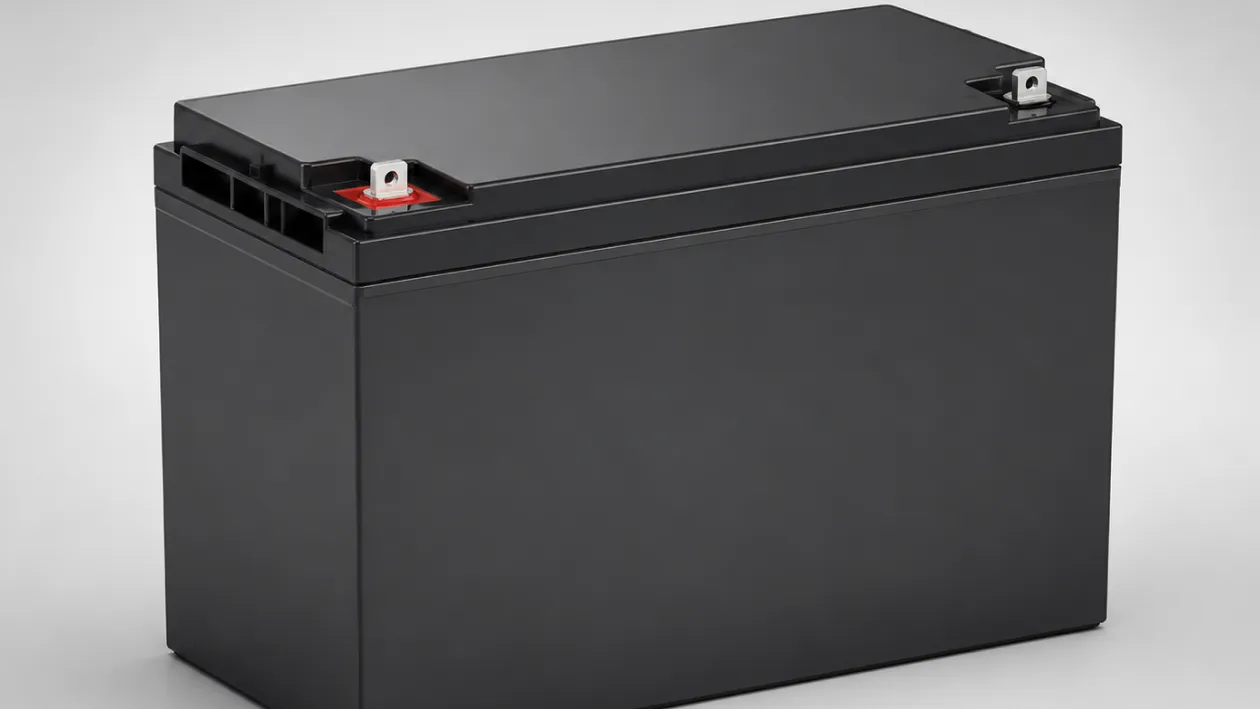
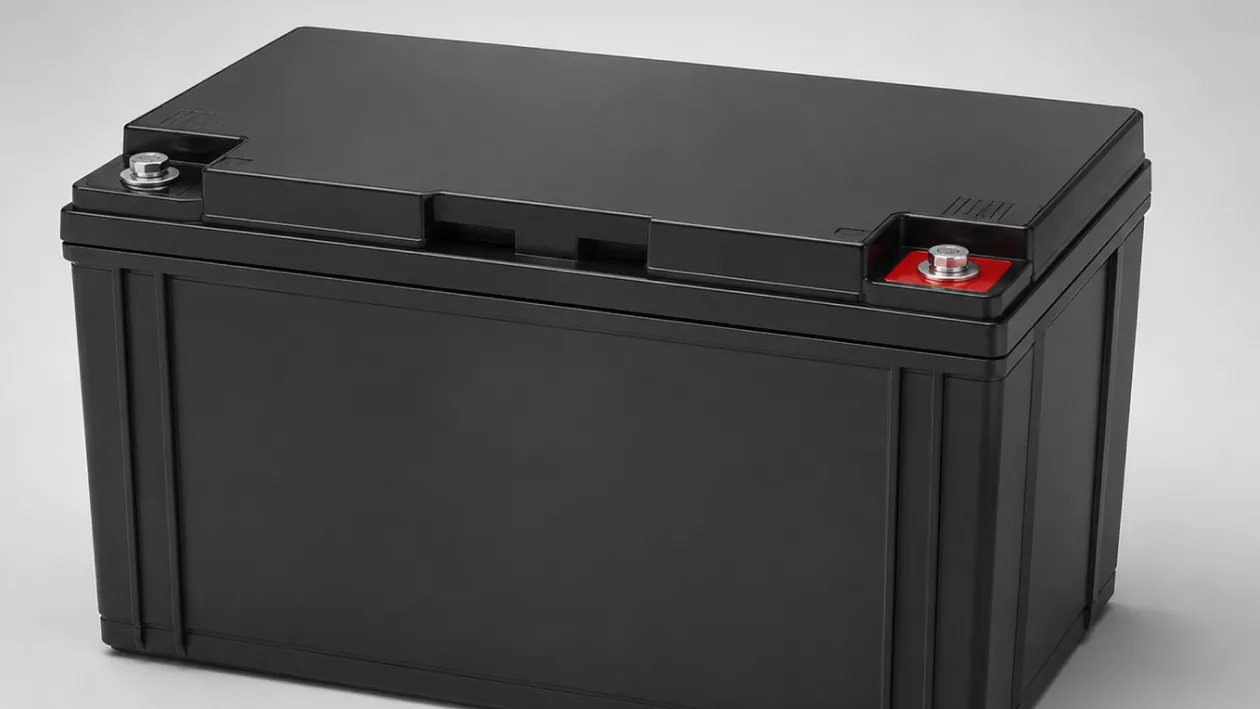
Standard VRLA units in a reasonably air-conditioned commercial space tend to last two to three years before capacity drops below usable thresholds. In poorly ventilated rooms, near high-heat equipment, or in facilities where the AC cuts out on weekends, 18 months is not unusual. Budget for replacement at the two-year mark, not four.
Lithium-Ion (LiFePO₄) Batteries
LiFePO4 chemistry handles thermal variation significantly better. In Qatar installations, these often reach five to seven years of reliable service. The upfront cost is higher, no question. But fewer replacement cycles, lower maintenance overhead, and reduced downtime risk change the total cost picture considerably over a five-year horizon.
Flooded Lead-Acid Batteries
Larger industrial setups in Qatar sometimes use flooded lead-acid systems. These can handle heat a bit better than sealed VRLA, but they demand regular electrolyte level checks and proper ventilation for off-gassing. Skip that maintenance routine here and the lifespan advantage disappears quickly.
The Other Factors People Overlook
Temperature gets all the attention, fairly so. But it does not act alone.
Discharge frequency matters more than most people account for. Qatar’s grid is generally reliable, but planned maintenance outages and occasional voltage fluctuations do force battery cycles. Each deep discharge puts wear on the cells, and shallow partial cycles over time lead to sulfation in lead-acid types.
Float voltage calibration is a frequently missed issue. A lot of UPS units ship from the factory with voltage settings tuned for a 25-degree operating environment. Running those same settings at 33 or 35 degrees causes the battery to take a small chronic overcharge every single day. Some modern UPS systems offer temperature-compensated charging that adjusts automatically. That feature is worth prioritizing in Qatar.
Cabinet airflow is another one. A UPS shoved into a closed rack with two inches of clearance on each side is baking around the clock. Moving it, adding vented panels, or improving rack airflow costs almost nothing and can add meaningful time to the battery’s service life.
Signs a UPS Battery Is About to Let You Down
Most failures do not arrive without warning. The signals are just easy to dismiss until they are not.
Runtime under actual load is shorter than it was six months ago. The UPS self-test triggers an alarm more often than before. Monitoring software reports elevated internal resistance readings during routine checks. The battery casing feels warm even when the system has not discharged recently.
Any single one of these is worth investigating. All of them together mean the battery replacement clock is running. Techlinqx Technology Solutions provides battery load testing, internal resistance diagnostics, and ongoing monitoring systems specifically designed for critical infrastructure in Qatar. Their Doha-based team works across data centers, telecom networks, and commercial facilities.
Practical Steps to Extend Battery Life in Qatar
Keep the room temperature as close to 25 degrees as operationally possible. Set temperature alerts in facility management systems so rising ambient heat gets flagged before it becomes a battery problem.
Schedule a proper load test every year, not just a visual inspection or a quick self-test. For mission-critical infrastructure, twice yearly is a defensible standard in Qatar’s climate conditions.
Replace proactively at the 70 to 75 per cent capacity threshold. Waiting for a complete failure in a live environment is a costly gamble. When planning the next UPS system procurement, give lithium-ion options serious consideration, particularly for systems where any downtime carries meaningful operational or financial cost.
Final Thoughts
Qatar’s heat is not something a UPS battery can fight indefinitely, and most facilities are working with a shorter replacement window than they realize. Knowing the real numbers, catching early warning signs before they become outages, and building an annual testing habit are what separate teams that stay ahead of battery failures from the ones that get caught off guard.
When was your last battery load test? If you have to think about it, that is probably the most useful thing to answer today.