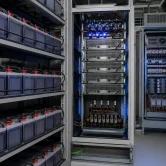

Think about the last time your power flickered. For a homeowner, it’s a minor annoyance restarting the microwave clock. But for a data center, a hospital, or a high-tech manufacturing plant, that split-second blink is a catastrophe. It means lost data, damaged hardware, or even compromised safety. This is where the distinction between standard wiring and a critical power system becomes a matter of survival. General electrical work is designed to keep the lights on; critical power is designed to ensure they never go off.
At Techlinqx, we specialize in the high-stakes engineering required for zero-downtime environments. We don’t just pull wire; we build resilient infrastructures that keep your business running when the grid fails.
Solar panels are only half the battle. To actually own your energy, you need a place to put it.
Does a Critical Power System Work Better than General Electrical Work?
The short answer? It isn’t about being “better”; it’s about the mission. General electrical work is built for convenience and standard safety codes. A critical power system is built for continuity and fault tolerance. While a standard electrician ensures your outlets have power, a critical power specialist ensures that power is “clean,” uninterrupted, and backed up by multiple layers of redundancy. If your operation can’t afford a single second of downtime, a standard electrical setup simply isn’t enough.
The Anatomy of Uninterrupted Performance
A true critical power setup involves more than just a backup generator. It’s a sophisticated ecosystem including uninterruptible power supplies (UPS), battery energy storage, and automatic transfer switches. These components work together to detect a voltage drop in milliseconds long before your servers or medical equipment even “feel” the glitch.
Clean Power vs. Dirty Power
Standard utility power isn’t always stable. It’s full of “noise,” surges, and sags that can degrade sensitive electronics over time. Critical systems act as a filter, delivering a pure, consistent sine wave to your most valuable assets. This extends the life of your hardware and prevents the mysterious system crashes that baffle general electricians.
Why “Zero-Downtime” Requires a Different Breed of Engineering
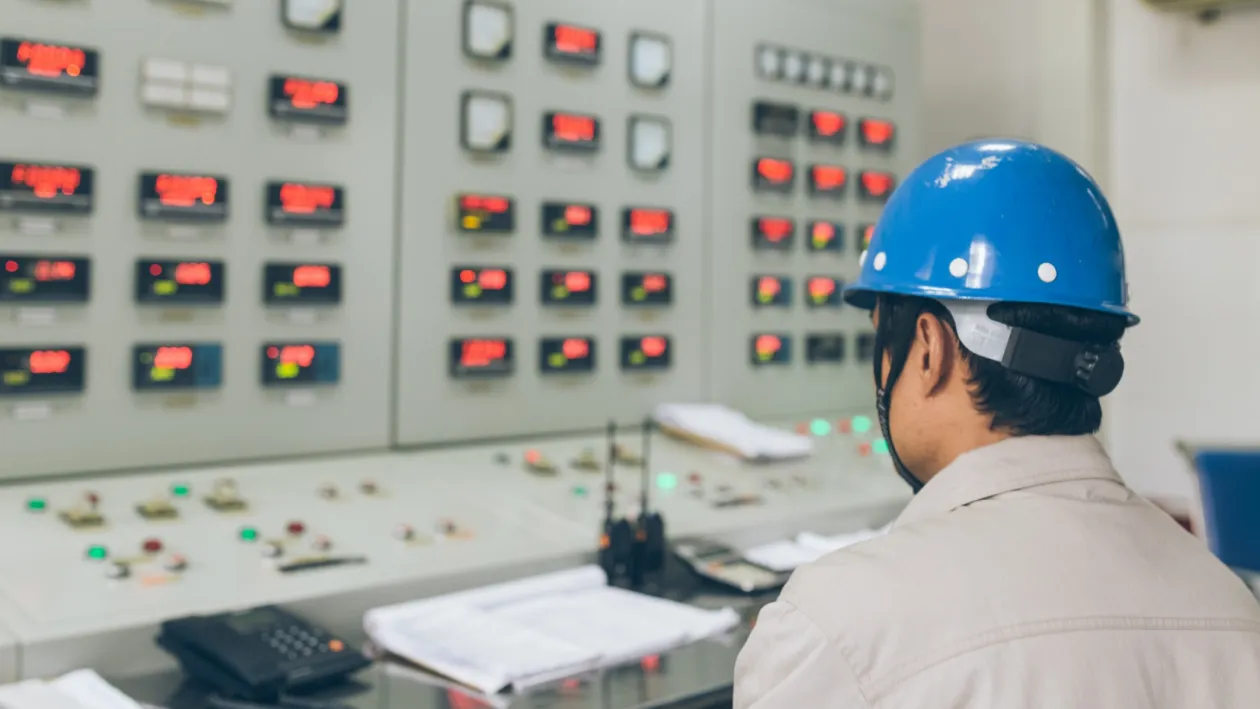
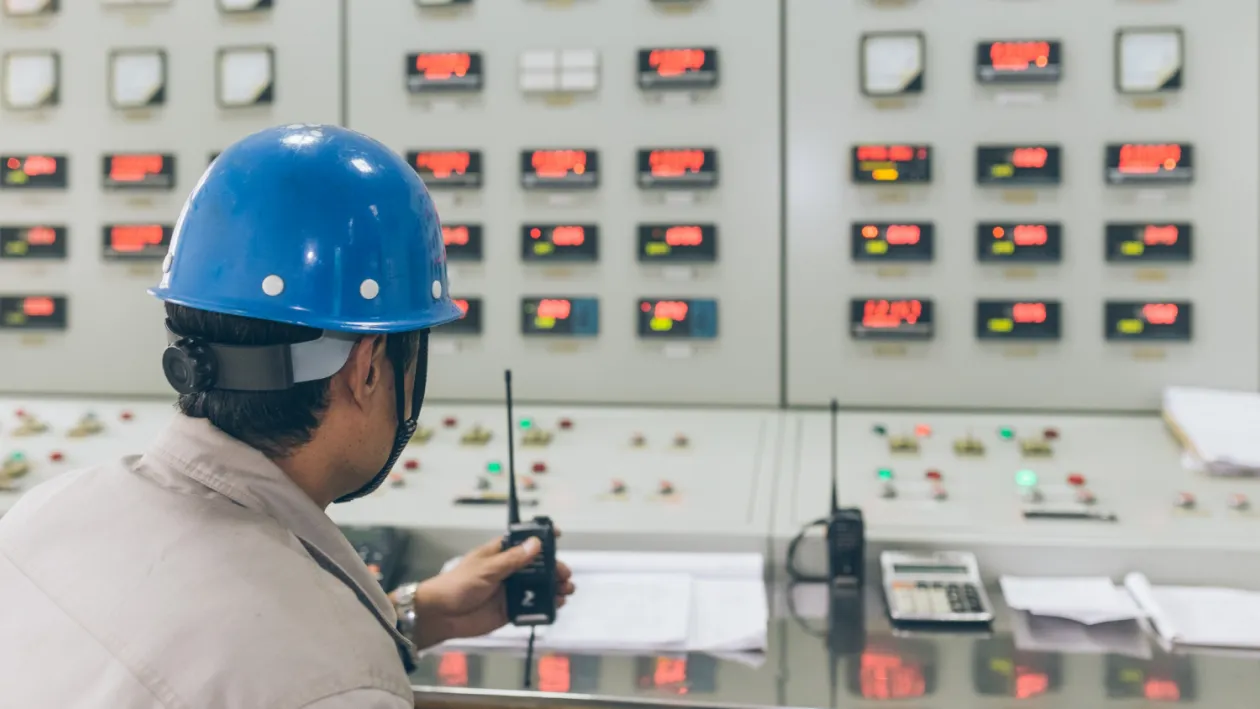
General electrical projects follow a linear path: design, install, inspect. Critical power projects require a cyclical approach involving constant monitoring and preventive maintenance. At Techlinqx, we look at the entire lifecycle of your energy needs.
Risk Assessment and Load Shedding
When the power goes out, not everything needs to stay on. Do the office printers need juice? Probably not. Does the server rack? Absolutely. We design systems that prioritize “critical loads” while shedding non-essential ones. This ensures your battery reserves last as long as possible for the things that actually generate revenue or protect lives.
- Data Centers: Protecting the flow of information with redundant cooling and power.
- Telecom: Keeping communication networks live during regional outages.
- Healthcare: Ensuring life-support systems have zero latency in backup transitions.
Scalability: Growing without the “Blink”
One major mistake business owners make is building a power infrastructure that’s too rigid. As you add more servers or specialized machinery, a standard electrical panel eventually hits its limit. A professional critical power system is designed to be modular.
Future-Ready Infrastructure
We build for where your business is going, not just where it is today. This means integrating renewable energy solutions and advanced battery storage that can scale as your power demands grow. It’s about creating a “smart” grid within your own building that can adapt to fluctuations in both demand and supply.
Final Thoughts
Standard electrical work is great for your breakroom, but it’s a gamble for your server room. When the cost of a single hour of downtime can reach tens of thousands of dollars, the investment in a dedicated power strategy isn’t just a “technical” choice, it’s a financial one. Is your current setup strong enough to handle a total grid failure without breaking a sweat?