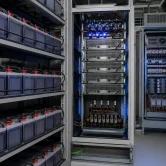

Many facilities don’t realise the importance of having a properly functioning diesel generator until they lose power and are unable to start their generator for backup. That’s why picking the right generator distributor in Qatar matters just as much as picking the generator itself.
Diesel generators cannot be purchased as a one-size-fits-all item — their size, type and configuration will depend on many factors, including what you want to protect, how long you plan to run it, and to what extent you can expect the conditions to be comfortable where your generator will be operated. A generator that is specified incorrectly may require you to have paid too much for capacity you’ll never use or may not provide sufficient capacity to operate at the critical time.
This guide provides a thorough explanation of what will be important considerations when choosing a generator in Qatar, including sizing specifications, type and fuel system specifications and provides appropriate questions you should be asking before finalising a generator purchase.
Why Generator Sizing Goes Wrong
Typically, the common mistake when specifying generators is not specifying a generator of the wrong type but rather selecting the wrong size — either too large or too small. Oversizing causes wastage of funds during installation and operational inefficiency; for example, the operation of diesel engines significantly below their rated capacity wastes fuel and leads to a wet-stack condition (the accumulation of unburned diesel in exhaust systems).
Undersizing is even worse, because a generator that cannot provide sufficient starting current for large motors, chillers, and medical equipment will result in tripping. stalling, or an inability of the generator to provide any output at all when you need it most.
Ultimately, undersizing or oversizing any generator boils down to the same basic mistake — estimating the total connected load at approximately one-third until it’s proven otherwise.
Standby vs Prime Power — Know the Difference
The terms “standby generator” and “prime power generator” are often confused with each other, but they serve very different purposes.
A standby generator is designed specifically for use in emergencies when there is a grid failure and will typically only run for a limited number of hours a year. Standby generators are rated for short-term operation at or near their full capacity.
A prime power generator, on the other hand, is intended to be used over the long term on a continual basis to be the primary source of power at a job site, a remote location, or an area that lacks reliable access to electricity from the power grid. A prime power generator is built to operate over long periods of time and may run at 70% to 80% of its capacity so that it will last longer.
You will need a standby generator if you have access to the electric utility grid and the generator is intended only for outage protection. You will require a prime power generator if you are using it to provide electricity to a jobsite, construction site, or a location with no electrical utility grid access.
If you specify a standby-rated generator for use as a prime power generator or vice versa, there is a high likelihood of it failing before the end of its expected useful life or having to be replaced sooner than needed because you caused more added wear and tear on the generator than it was designed for.
How to Calculate the Right Generator Size
Step 1 — List Out Everything That Needs Power
Start with what actually has to keep running if the grid goes down — lighting, HVAC, servers, pumps, medical equipment, life-safety systems. And be specific here. “Office equipment” doesn’t tell you anything useful. List the actual devices. That’s what the sizing is based on.
Step 2 — Don’t Forget About Starting Current
This is the one that catches people out. Motors — chillers, pumps, compressors — pull way more current when they’re starting up than when they’re just running. We’re talking 3 to 6 times the normal draw. So if your generator can handle the running load fine but can’t handle that initial surge from your biggest motor, it’s going to stall. Honestly, this is the most common reason generators end up undersized.
Step 3 — Factor In Qatar’s Heat
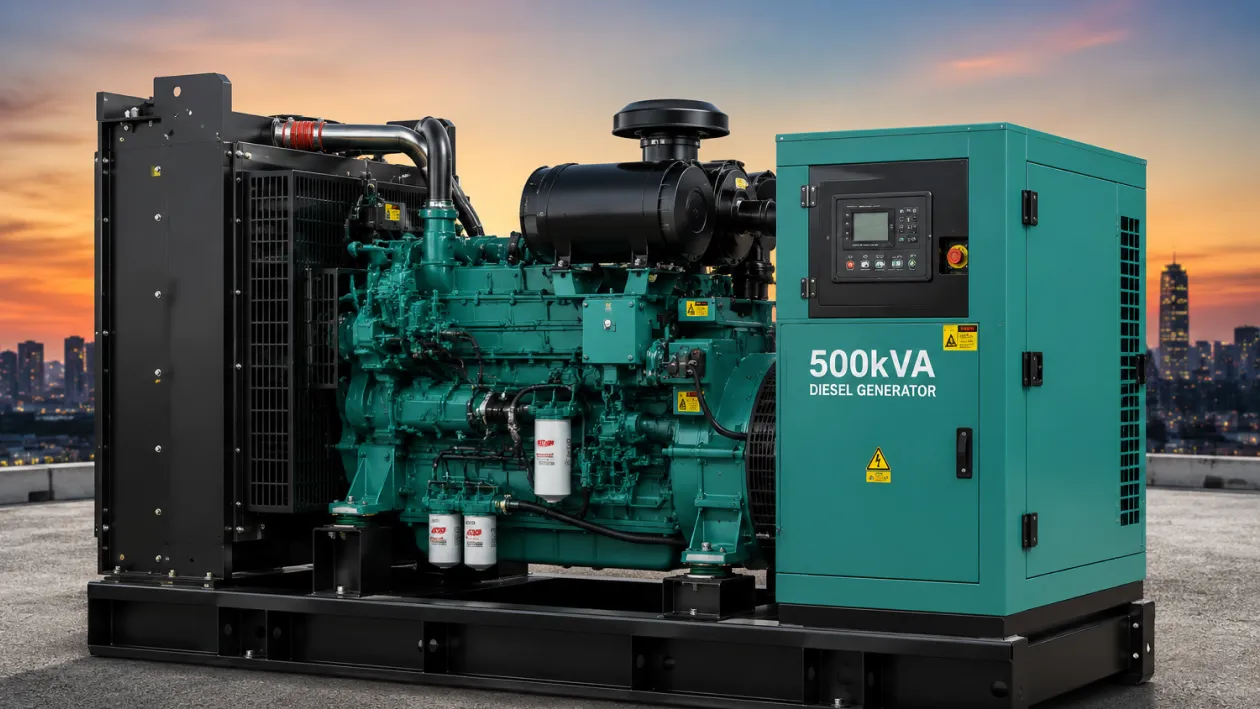
Generator ratings on paper are usually based on standard conditions — around 25°C. But Qatar doesn’t really do 25°C for most of the year. Once you’re past 45°C, a diesel generator just doesn’t output what the spec sheet says. So a unit rated at 500 kVA at 25°C won’t actually give you 500 kVA here. You need to build that derating into your sizing from day one — not find out about it after the generator’s already installed.
Step 4 — Leave Room to Grow
If there’s any chance your facility expands – more equipment, extra floors, growing IT needs – size for that now. Going back later to upgrade a generator is a much bigger headache (and bigger expense) than just specifying a bit more capacity upfront.
Generator Types Compared
| Generator Type | Best For | Key Consideration |
|---|---|---|
| Standby Diesel | Grid-connected sites needing backup during outages | Needs ATS integration so the transfer kicks in automatically |
| Prime Power | Remote sites running continuously off-grid | Size it for sustained 70–80% load, not just peak bursts |
| Industrial Genset (500kVA+) | Data centres, hospitals, and large facilities | Often run in N+1 setups, providing backup for your backup |
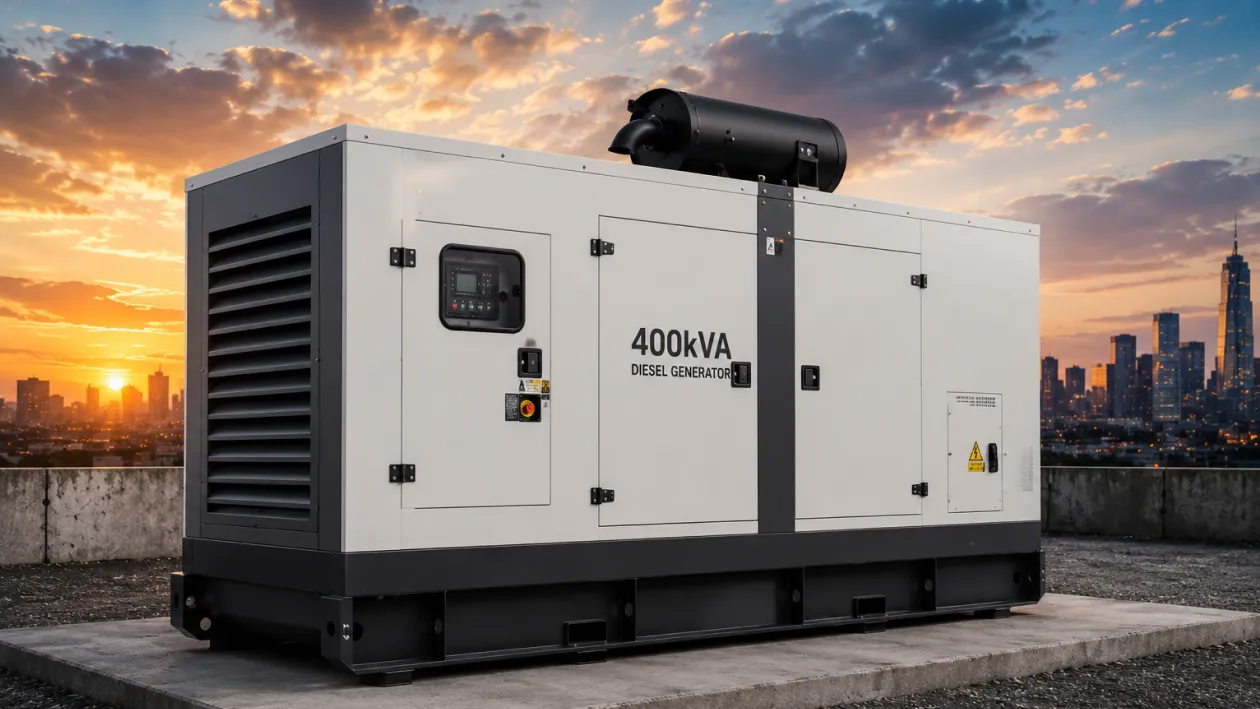
| Containerised | Rapid deployment, outdoor or remote sites | Factory-tested, weatherproof, and quick to install |
| Rental / Temporary | Construction work and planned maintenance gaps | Short-term, flexible capacity without long-term commitment |
Why Qatar’s Climate Matters for Generator Selection
Beyond the derating factor mentioned earlier, Qatar’s heat shapes generator selection in a few other ways too.
- Cooling system capacity — radiators and cooling fans need to be sized for high ambient temperatures, especially if the generator sits in an enclosed plant room.
- Air filtration — dust and sand are just part of life in Qatar, so generators need proper air filtration to stop the engine wearing out before its time.
- Fuel stability — diesel quality and storage matter a lot more in extreme heat, Fuel polishing systems help keep fuel in good shape during long-term storage.
- Enclosure ventilation – containerised and enclosed units need ventilation designed around Qatar's temperatures, not the specs you'd use in a cooler climate
Here’s the thing: a generator spec that works fine somewhere temperate can fall short in Qatar if these factors aren’t built in from day one.
What to Ask Your Generator Distributor in Qatar
Before finalising any purchase, push your distributor on these points:
- What's the generator's rated output at 45°C ambient, not just under standard conditions?
- Does the quote include ATS integration, or is that a separate scope?
- What's covered in commissioning — is there a full load bank test at rated capacity? What does the warranty actually cover, and how fast can they respond if something goes wrong in Qatar?
- Is the fuel system – tank sizing and fuel polishing – part of the package, or are they assuming it's already there?
- A distributor who's done this work before in Qatar won't blink at these questions.
- If the answers come back vague, chances are the spec is too.
Final Thoughts
Choosing the right generator for your facility in Qatar isn’t about grabbing the biggest unit on the shelf or chasing the cheapest quote. It comes down to an honest look at what you’re protecting, how it starts up, how long it needs to run, and how Qatar’s climate plays into all those numbers on the datasheet.
Get the sizing and type right, and the generator basically disappears. It just works when needed, and nobody gives it a second thought. Get it wrong, though, and it becomes the thing everyone’s talking about during the next outage — and not in a good way.
So if you’re specifying a generator for a new facility or swapping out ageing standby power, start with a proper load assessment. Don’t just guess based on square footage or copy the spec sheet from the last installation.
FAQ
How do I know if I need a standby or prime power generator?
Why does Qatar's climate affect generator sizing?
What size generator do I need for my facility?
Is an Automatic Transfer Switch (ATS) necessary?
How often should a standby generator be tested?
Does Techlinqx help with generator sizing and selection?
Ready to Specify the Right Generator for Your Facility?
Techlinqx is a generator distributor in Qatar offering standby, prime power, and industrial generators, with full load assessment, ATS integration, and commissioning all included.