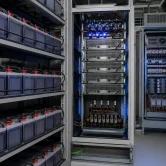

Most facilities in Qatar can handle the basic business of installing a battery. But not so many people really know what to do when it quietly dies, and then suddenly you have this problem on your hands. If you’ve been wondering how to dispose of UPS units and industrial batteries in Qatar without ending up on the wrong side of environmental regulations, you’re not the only one. Honestly, it’s one of those topics nobody covers until something goes wrong.
And when it does go wrong, it’s messier than most expect. A single UPS battery bank in a mid-size data centre can store hundreds of kilograms of lead-acid materials and, in some cases, cadmium too. You can’t just chuck that into a skip. It’s hazardous waste, and Qatar’s Ministry of Municipality and Environment (MME) treats it accordingly.
This guide will provide you with the specific regulations covering the dispose of UPS and industrial batteries in Qatar, which require special handling at the time of disposal, as well as how the entire process of battery disposal works from beginning to end.
1. Why Battery Disposal Matters in Qatar
Battery disposal isn’t just about “when it stops”, though; it doesn’t really stop. It starts to fade and degrade. End-of-life VRLA units can leak acid; Ni-Cd cells can release cadmium; and lithium packs, even when they look fine, if they’re punctured or stored wrong, can turn into both a fire risk and a chemical risk.
In a normal temperate climate it’s a slow process. But in Qatar, where summer temperatures often climb above 45°C, everything happens faster. Batteries that hang around in storage rooms, equipment yards, or old decommissioned server rooms, after the safe storage period has passed, become genuinely dangerous.
There’s also the non-environment side. The business risk. Qatar’s rules are getting stricter around e-waste and hazardous disposal. Companies that can’t show compliant treatment are facing more exposure during audits, ESG check-ins, and even insurance assessments – not just paperwork, but real consequences.
2. Which Batteries Are Classified as Hazardous Waste?
| Battery Type | Hazardous Elements | Disposal Classification |
|---|---|---|
| VRLA (AGM & Gel) | Lead, sulphuric acid | Hazardous — specialist collection required |
| Nickel-Cadmium (Ni-Cd) | Cadmium, nickel | Hazardous — strict MME guidelines apply |
| Lithium-Ion (LiFePO₄) | Lithium salts, electrolytes | Regulated — specialist handling required |
| Flooded Lead-Acid | Lead, sulphuric acid | Hazardous — same as VRLA |
| Motive Power (Forklift) | Lead, sulphuric acid | Hazardous — high volume, high risk |
Batteries made with nickel and cadmium come with the highest level of risk since cadmium is known as a carcinogen and cannot be disposed of through landfills or incineration in accordance with Qatar laws as well as through the international Basel Convention guidelines that Qatar observes.
3. Qatar’s Regulations on Battery Disposal
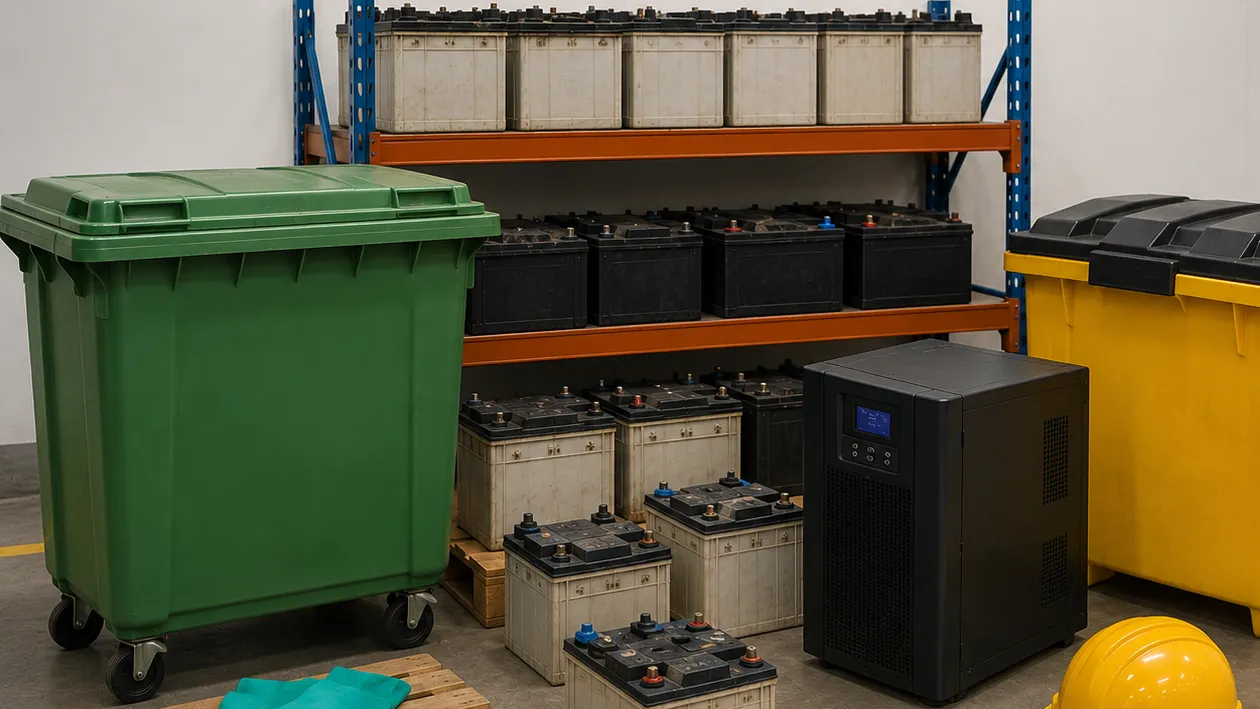
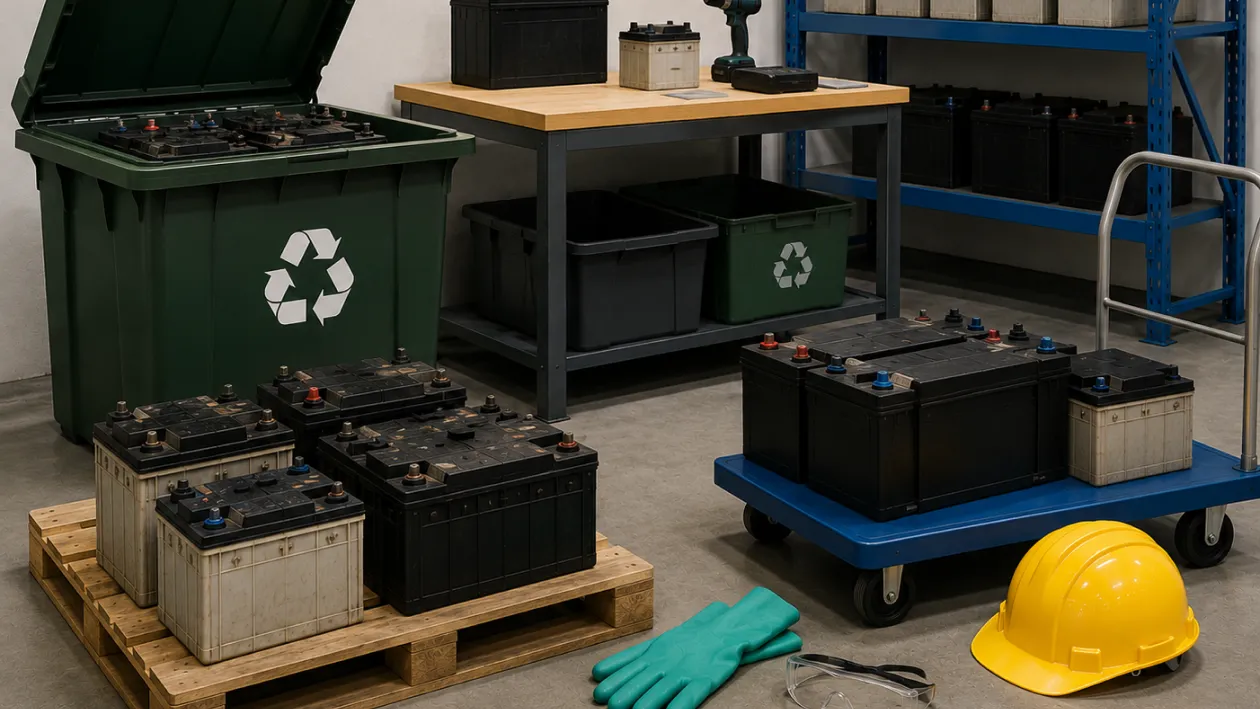
Qatar’s main environmental authority is the Ministry of Municipality and Environment (MME). Under Qatar’s Law No. 30 of 2002 on the Protection of the Environment, hazardous waste, which includes industrial batteries, has to be managed, transported, and ultimately disposed of through licensed entities, not casually handled.
In practice, this means: You cannot throw away an industrial-sized battery in a regular dumpster. You must use an appropriate method of containment with correct documentation when transporting hazardous battery waste. If you haven’t been granted a licence from the MME to handle such materials, you cannot dispose of it — either through your entity or through someone who has a licence. All records associated with your disposal of hazardous battery waste must be maintained in case they are audited.
Qatar is also aligned with GCC environmental frameworks and the Basel Convention on the control of transboundary movement of hazardous wastes. So if an organisation operates across more than one GCC country, the compliance duty doesn’t sort of pause at the Qatar border; it continues
4. How to Dispose of UPS and Industrial Batteries in Qatar Correctly
The correct process isn’t complicated. But it does require you to partner with the right company. Here’s how the process should look:
Step 1 – Identify and Inventory Your Batteries
Before anything else, document what you have. You need to document the battery type, quantity, age, and condition. This is not only “good practice”; it becomes the base layer for the compliance paperwork you’ll probably need later on.
Step 2 – Stop Using Degraded Batteries
If a battery is swollen, leaking or well past its design life, it’s considered a safety hazard. Therefore, you must remove the battery from service. Do not leave it in an active UPS rack while you are determining the logistics for disposal.
Step 3 – Contact a Licensed Collection Service
This is where most facilities struggle: either they don’t know who to call, or they call a general waste handler who does not handle hazardous battery materials. You need to find a company that understands battery chemistry and can transport batteries in compliance with regulations, as well as provide documentation of disposal.
Step 4 — Book the Collection
A proper disposal provider should do an on-site check, confirm the handling requirements, and schedule the pickup around how your facility runs. Less interruption to your systems, a more controlled process, and fewer loose ends.
Step 5 — Get Your Documentation
Following the battery’s disposal, you should get full records of the batteries that are disposed of, including quantities of collected batteries, dates of collection, and verification of compliant disposal in accordance with the MME. Save all of these documents. They are essential.
5. What Happens If You Get It Wrong
The consequences of improperly disposed of batteries in Qatar can be both serious and administrative in nature.
- Regulatory fines under Qatar's Environmental Protection Law.
- Liability against your company under facility audits and insurance reviews.
- Gaps in ESG reporting will affect your procurement eligibility and investor-related issues.
- Reputational risk. Increasingly, major clients and government agencies in Qatar will require vendors to provide documentation of environmental compliance as a part of vendor pre-qualification
And beyond the rulebook side, there’s a more direct environmental issue. Lead and cadmium do not decompose. They will accumulate in soils and water bodies. Water security is a national priority in Qatar; industrial contamination, even if it seems small on its own, still adds to the bigger situation.
6. How Techlinqx cab Assist in Battery Disposal in Qatar
Techlinqx is fully licensed to collect and recycle end-of-life industrial batteries, including the following battery chemistries: VRLA, Lithium Ion, Ni-Cd, Flooded Lead Acid, BESS & Motive Power in Qatar. We can conduct an on-site assessment to determine how we will collect your batteries, arrange for a collection time that accommodates your operation’s schedule, and ensure full compliance with Qatar’s MME environmental disposal guidelines.
Each collected battery will also come with a certificate of disposal that includes the required documentation for facility audits, ESG reports, and insurance purposes.
If you are replacing the batteries as a part of a system upgrade, we can work with you on both the old battery collection and the new battery supply/installation. One point of contact, one timeline, and no contractor juggling.
A seller who cannot confidently answer these questions should not be considered a business partner. A reputable battery supplier in Qatar will have done this enough times to guide you through answering these queries quickly and with full confidence.
Final Thoughts
Disposing of used industrial batteries in Qatar cannot be done without following specific guidelines provided by law. Regulations that apply to industrial batteries exist to regulate hazards associated with used industrial batteries. Also, hazardous materials pose serious risks to your business. Therefore, compliance is also a significant risk factor.
The good news is that the process of disposing of industrial batteries is fairly simple: Make an inventory, discontinue using any used or damaged batteries, call a qualified partner to collect the batteries, and maintain accurate records. This process is not complicated. The complication arises when you have not established a qualified disposal partner prior to needing to dispose of the battery.
If your facility has old batteries when they reach end-of-life and you are planning a decommissioning project, make sure to handle disposal before it becomes an issue for compliance within your facility—instead, take care of it ahead of time, and it will be much easier for you.
FAQ
Is it illegal to dispose of UPS and industrial batteries in general waste in Qatar?
What documentation should I receive after battery disposal?
How do I know if my batteries are past their disposal date?
amount/volume, the collection date, and a statement confirming the disposal happened according to Qatar MME requirements. Those documents are what you’ll need later during audits, ESG reviews, and even certain insurance assessments.
Can Techlinqx collect batteries from sites outside Doha?
Do you provide battery replacement services in addition to the collection of used batteries?
Ready to Arrange Battery Collection?
Techlinqx of ers an environmentally friendly way of old battery collection and disposal in Qatar. We manage the collection and disposal of all types of batteries in accordance with local regulations.