
Building a business today without solid data center infrastructure in Doha, Qatar is like trying to run a city without power lines. You can’t. Whether you’re a startup founder or an IT student, understanding how the digital “engine room” works is no longer optional. It’s the difference between a system that scales and one that crashes during your biggest sale.
At its core, this infrastructure isn’t just a room full of flashing lights. It’s a physical facility designed to house the hardware that stores your data and runs your apps. If the hardware is the brain, the infrastructure is the life-support system that keeps it breathing.
What Actually Makes Up Data Center Infrastructure?
Think of it as three main layers: the hardware, the environment, and the management. You have the servers and storage drives (the muscle), but they don’t work without the power subsystems and cooling units. High-performance servers generate massive heat. Without precision cooling, they’d melt into expensive paperweights within minutes.
Then there’s the network, the routers and switches that act as the digital highways. To keep all this running 24/7, facilities use uninterruptible power supplies (UPS) and backup generators. The goal? Zero downtime. Even a few seconds of a blackout can cost a company millions.
Why Do You Need Data Center Infrastructure Management (DCIM)?
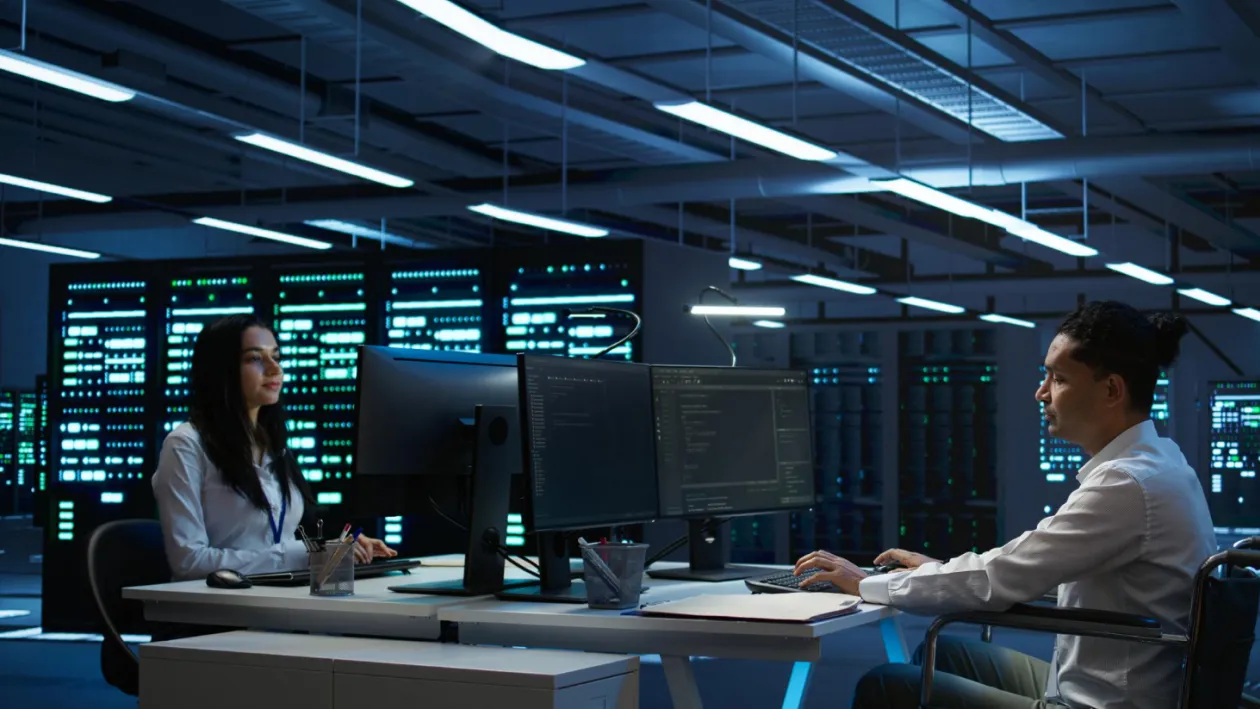
Monitoring a few servers is easy. Monitoring thousands across multiple locations? That’s a nightmare. This is where data center infrastructure management (DCIM) comes in. It’s the software layer that gives you a “god-view” of your entire facility.
DCIM tools track power usage, cooling efficiency, and even floor space in real-time. It’s about being proactive. Instead of waiting for a rack to overheat, the system alerts you the moment the temperature ticks up. It helps you maximize your resources so you aren’t paying for power you don’t use.
How Does Modern Infrastructure Support AI and Cloud?
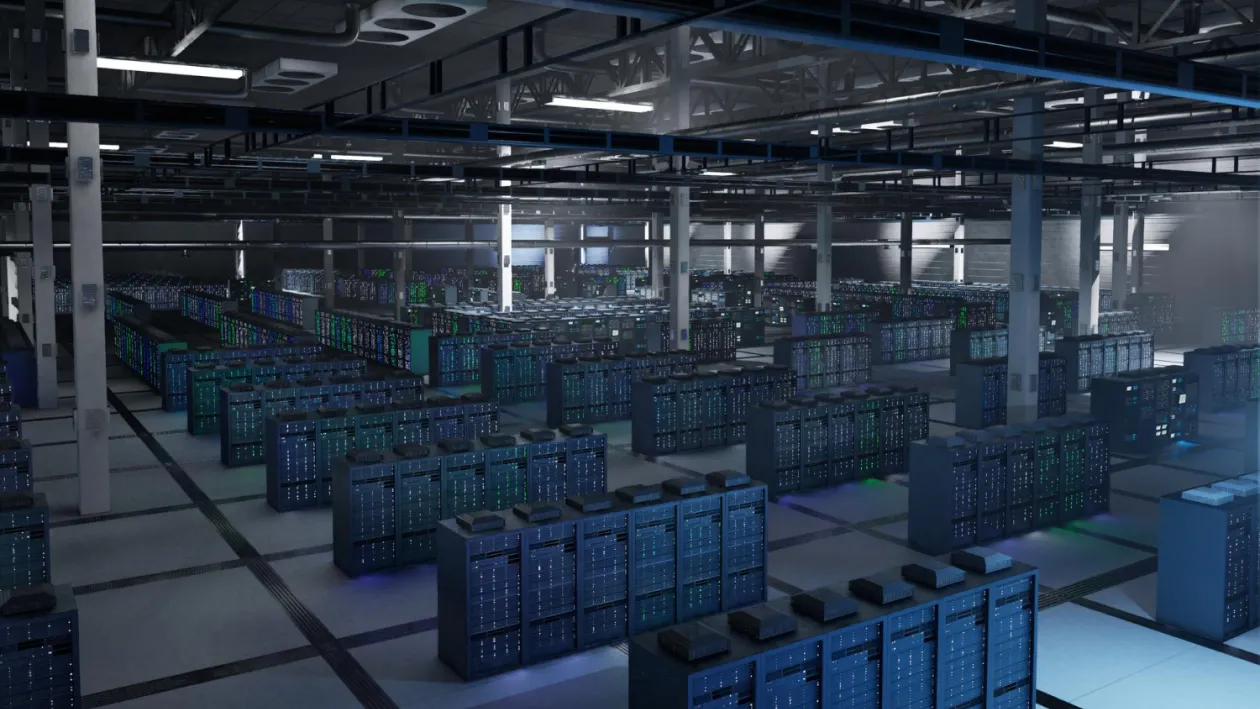
The rise of generative AI has changed the game for data center infrastructure. Standard cooling isn’t enough anymore. Many modern facilities are moving toward liquid cooling or “direct-to-chip” systems to handle the intense heat from AI-processing GPUs.
Whether you’re using a private cloud or a hybrid setup, the physical location of your data matters for speed (latency) and security. Modern infrastructure is now moving to the “edge”, meaning smaller data centers are built closer to the actual users to keep everything lightning-fast.
Final Thoughts
Setting up your digital backbone shouldn’t feel like rocket science, but it does require a clear strategy. Are you relying on outdated hardware, or is your facility ready for the AI-driven future? The right setup doesn’t just store data; it protects your business’s future.
What’s the biggest tech hurdle your business is facing right now?